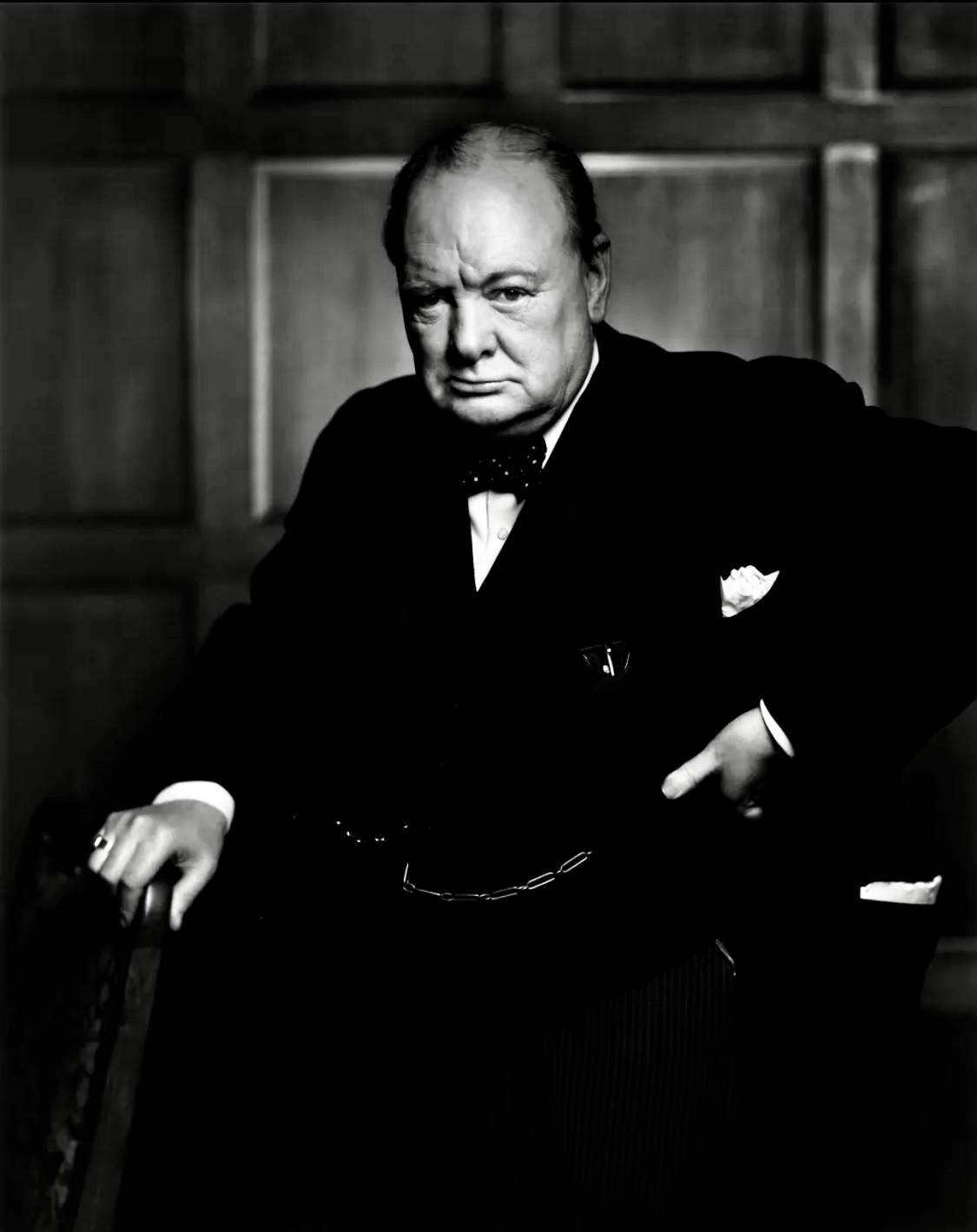
On December 30, 1941, in a living room in Ottawa, Yousuf Karsh, a 33-year-old Armenian-Canadian photographer, waited with his large format camera. The subject of the photo was no ordinary person, but Winston Churchill, the British Prime Minister who had just delivered a speech to the Canadian Parliament.
Karsh was only given two minutes. Churchill entered the room with a cigar clenched in his hand.
The next scene became a legend in the world of photography. Karsh asked Churchill to remove his cigar because it interfered with the composition of the photo, but Churchill refused. Without thinking, Karsh approached, forcibly took the cigar, and said, "Forgive me, Sir." Karsh returned to his camera. The action angered Churchill! He glared at Karsh with a sharp look, then click. Yousef pressed the shutter release cable. That expression was perfectly captured.
That angry stare, that "murderous" look, became his masterpiece in portraiture. Churchill finally said, "You can even make a roaring lion stand still to be photographed." Since then, the photo has been known as "The Roaring Lion." This two-minute drama resulted in the most iconic portrait of the 20th century. The photo became the cover of Life magazine's May 21, 1945 issue. Churchill's expression, as if "roaring," became a symbol of the steadfastness of British forces during World War II.
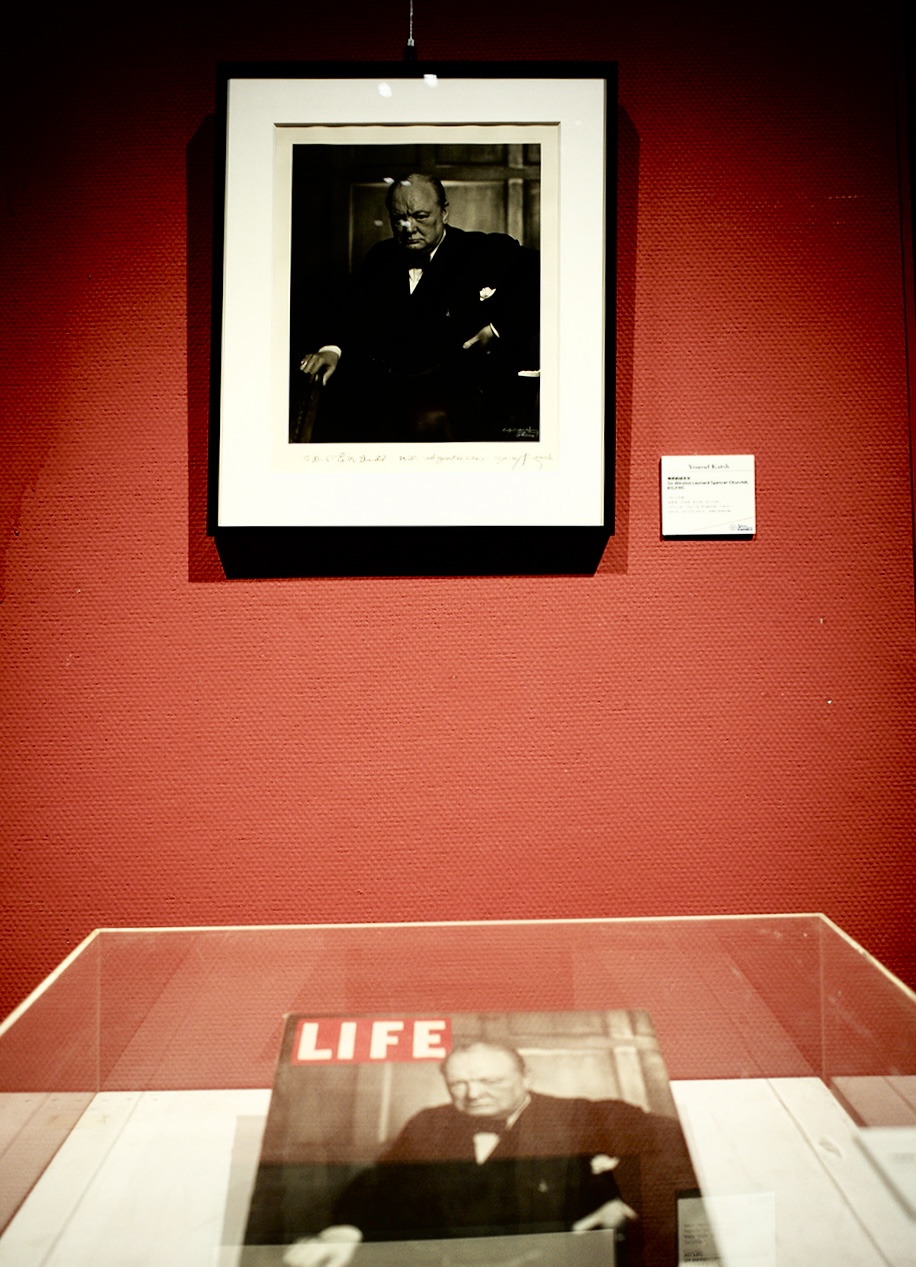
Life Magazine May 1945 Issue. Photo : Makhfud Sappe
I was fortunate enough to witness a solo exhibition of Yousuf Karsh's work at the FIAP (The Federation Internationale de L'Art Photographique) Photo Meeting in Beijing in January 2018. The exhibition showcased various reproductions of Karsh's legendary works, including the "The Roaring Lion" portrait, which remained captivating despite decades since it was taken. Karsh's works demonstrated the ability to capture the character of each figure he photographed.
Karsh's career skyrocketed. This portrait of Churchill is recognized as the photograph that changed his life and the most reproduced photograph in the history of photography.
“My portrait of Winston Churchill changed my life. I knew after I had taken it that it was important picture, but I could hardly have dreamed that it would become one of the most widely reproduced images in the history of photography," Yousuf wrote on Karsh.org.
Karsh later photographed many prominent political figures and artists, including Queen Elizabeth II, Charles de Gaulle, Fidel Castro, J. Nehru, John F. Kennedy, King Faisal, Muhammad Ali, Ernest Hemingway, Pablo Picasso, and President Sukarno during a visit to Canada. His work has also been printed on the Bank of England's £5 banknote since 2016. Yousuf Karsh was born December 23, 1908, in Mardin (now Turkey) and died July 13, 2002, in Boston, USA.
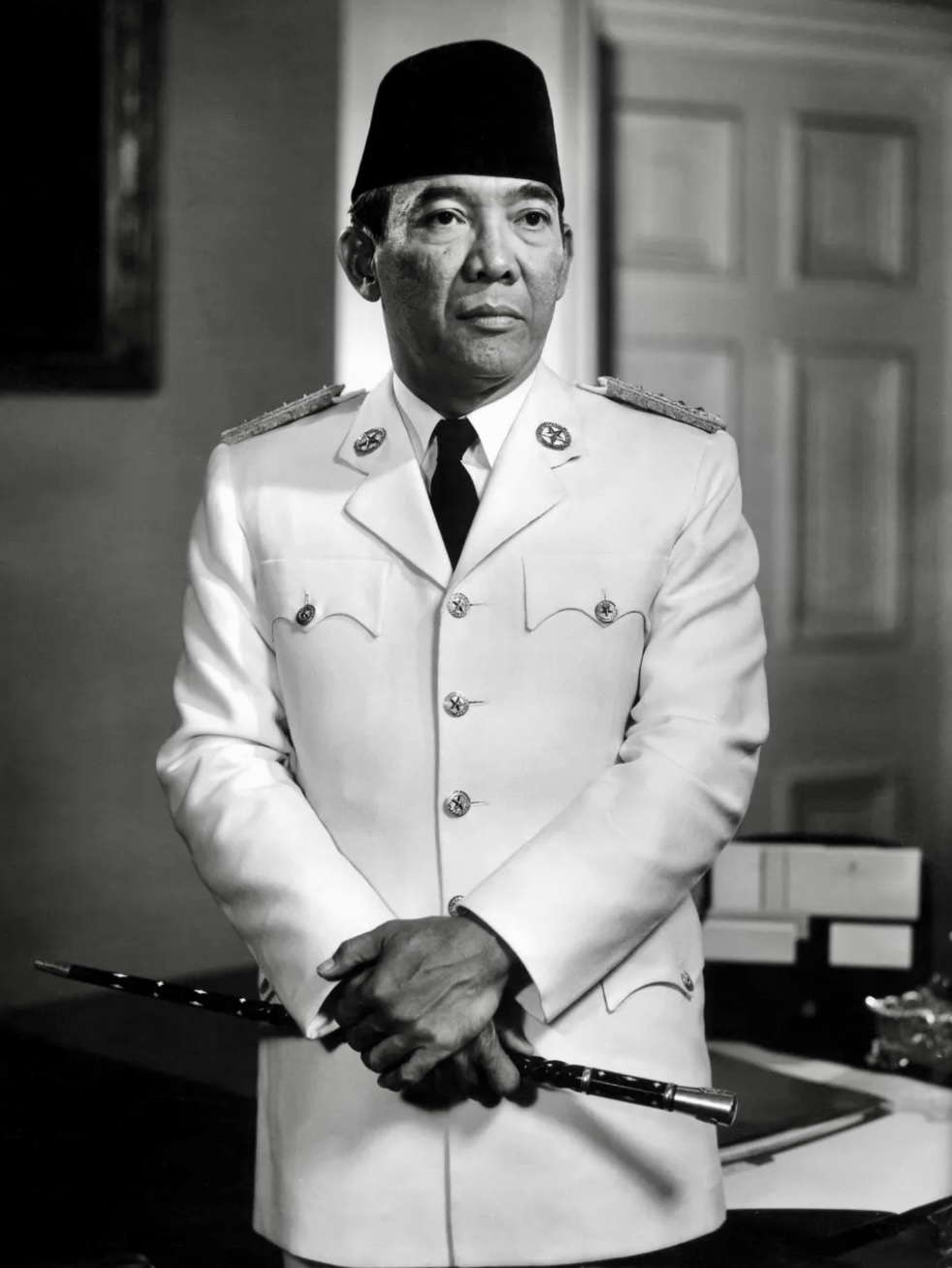
Soekarno, the First President of Indonesia, photographed by Yousuf Karsh in 1956. Reproduction from: www.karsh.org.

Fidel Castro photographed by Yousuf Karsh in 1954. Photo of Makhfud Sappe.
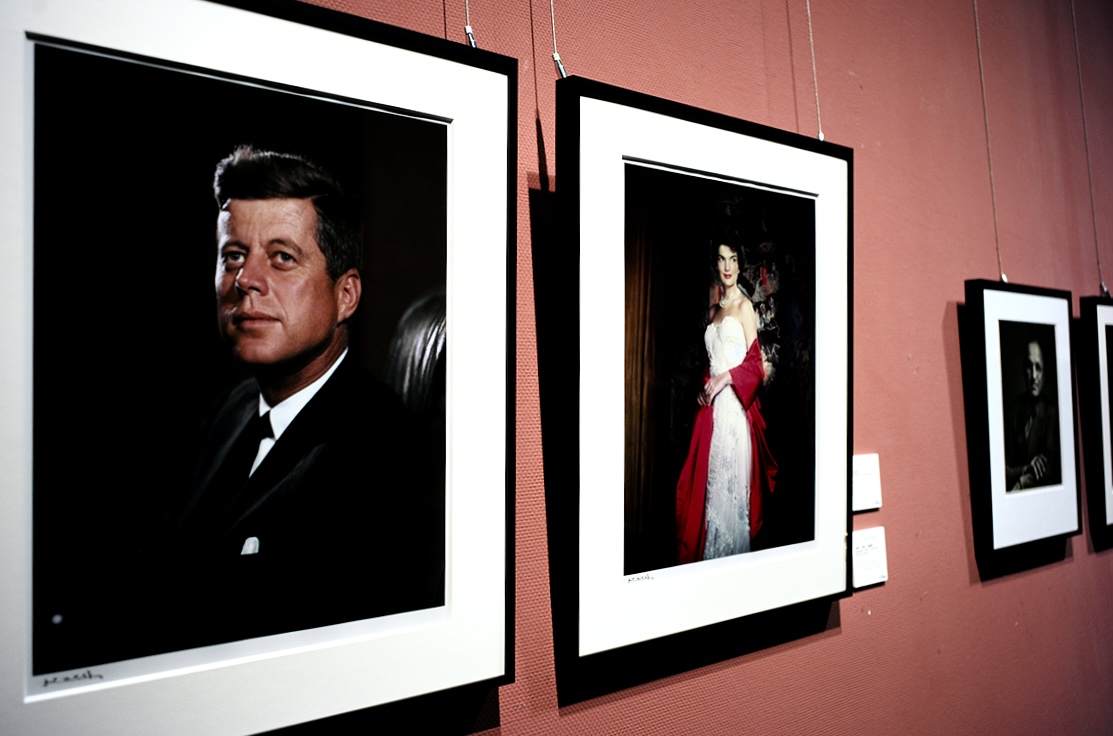
The 35th U.S. President John F. Kennedy, photographed by Yousuf Karsh. Photo of Makhfud Sappe.
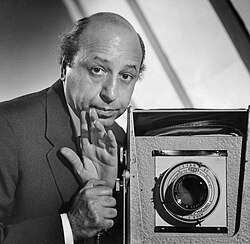
Yousuf Karsh, from: www.karsh.org.
The story of the ‘Roaring Lion’ photo does not end there. The original print of the photo, which was displayed at the Fairmont Château Laurier, Ottawa, went missing between December 2021 and January 2022. Someone replaced it with a replica. The hotel only realized this eight months later.
Finally, after a two-year search, the photo was found in Italy. A lawyer in Genoa bought it at a Sotheby's auction without knowing it was stolen.
In September 2024, the ‘Roaring Lion’ photo was returned in a ceremony at the Canadian Embassy in Rome. The perpetrator, Jeffrey Wood of Ontario, was arrested and sentenced to two years in prison in May 2025. (*)