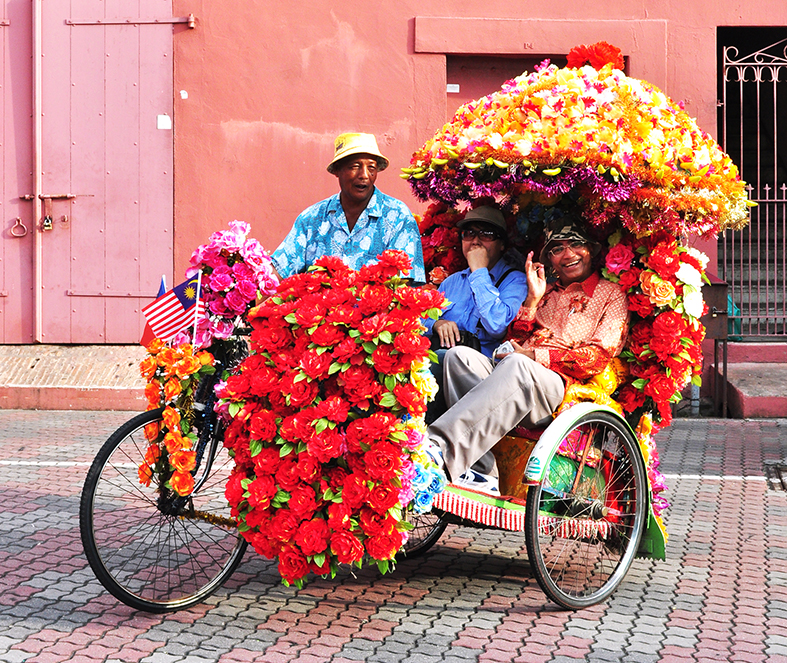
Built on centuries of trade and exchange, Melaka (Malacca) remains one of Malaysia’s most storied destinations. Journey through Melaka City, one of Malaysia’s UNESCO World Heritage Sites. It sits along Malaysia’s southwest coast in the state of Melaka. Located approximately 125 kilometres from Kuala Lumpur, the historic city is an easy drive of about two hours from Kuala Lumpur International Airport (KLIA) and slightly shorter from Subang Airport (SZB). This accessibility has long made Melaka a favoured weekend escape.
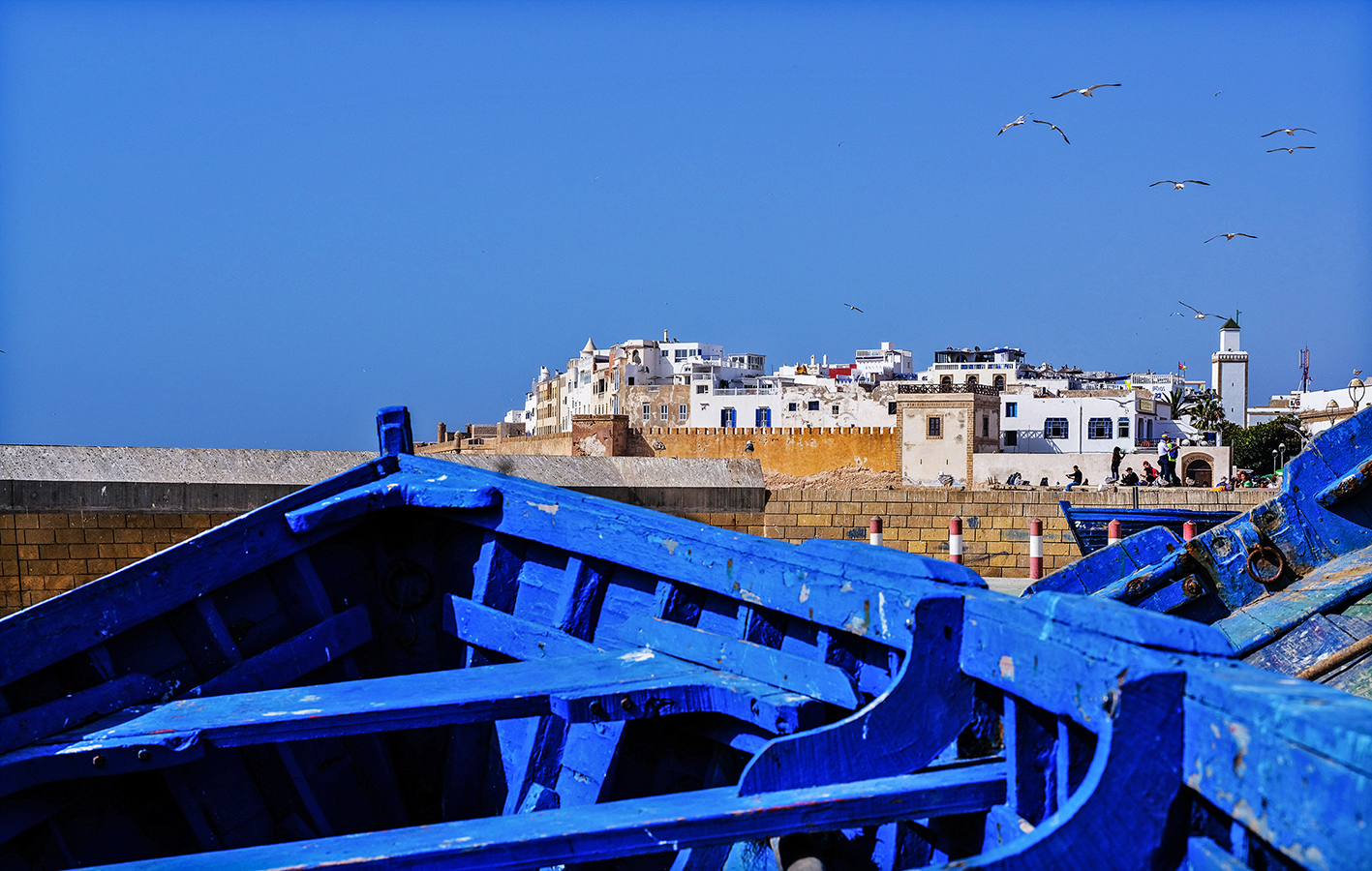
For centuries, Melaka has stood at the crossroads of global trade, empire and migration. Today, that legacy remains visible at every turn. The city draws visitors of many nationalities, each arriving to trace the footsteps of Portuguese, Dutch, British and Malay influences that shaped the port into one of Southeast Asia’s most historically significant settlements.
A walk through living history
The heart of Melaka City’s heritage lies in its old quarters, centred around Bandar Hilir, where many of the city’s most significant historical landmarks are clustered within a compact, walkable area. St. Paul’s Church, Christ Church Melaka, Queen Victoria’s Fountain and the Stadthuys (a Dutch word meaning City Hall) are all located around Dutch Square, Melaka’s most recognisable historic precinct and a natural starting point for first-time visitors. From here, most attractions can be explored on foot, allowing visitors to move between sites at a relaxed pace.
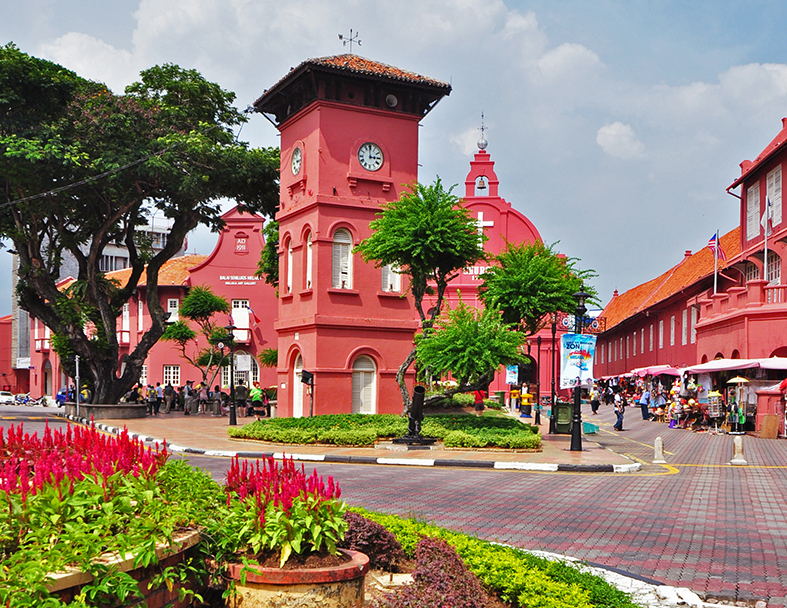
For those arriving by car, several public parking facilities are available nearby, including areas around Dutch Square, Jalan Kota, Dataran Pahlawan Megamall and Mahkota Parade, all within comfortable walking distance of the main attractions. These car parks are clearly signposted and provide convenient access to the historic zone. Vibrantly decorated trishaws are also readily available for visitors who prefer not to walk in the heat, offering a leisurely way to travel between landmarks.
Within the same district, Menara Taming Sari offers a different perspective of the area. Located near Mahkota Parade, the 80-metre-high revolving tower provides panoramic views across Bandar Hilir, the Melaka River and the historic city centre, making it a popular stop in the late afternoon or early evening.
As visitors move through the district, attention shifts between grand colonial structures and quieter details, a carved doorway, an old cannon by the river, or a courtyard echoing with footsteps. This balance between the monumental and the everyday gives the area its distinctive character.
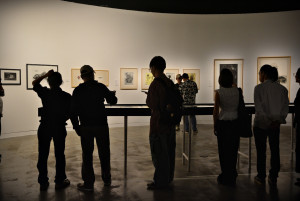
While in the area, the Maritime Museum offers insight into Melaka’s role as a major trading port during the age of the spice trade, while the Melaka Sultanate Palace Museum showcases traditional Malay architecture and royal history, adding depth and context to the outdoor sights.
Jonker Street and Chinatown
Just a three-minute walk away from Dutch Square is Jonker Street; the street that forms the cultural and commercial heart of Melaka City’s Chinatown. During the day, the street is relatively calm with antique shops, art galleries, traditional bakeries and cafés operating from restored heritage shophouses. Visitors can browse for handmade crafts and locally designed souvenirs, or pause for a coffee or durian cendol (shaved ice dessert) in one of the many courtyard cafés.
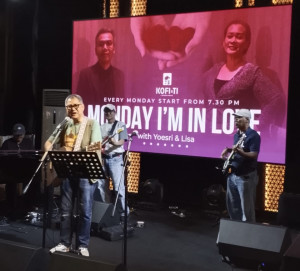
By evening, especially on weekends, Jonker Street becomes livelier. Night markets line the street with stalls serving local favourites such as chicken rice balls, satay (skewered meat), fried oysters, coconut shake, and trendy or traditional desserts, while shopfronts remain open late. Decorative lights, street performers and live music add to the atmosphere, making the area a popular place to soak up Melaka’s nightlife.
The taste of Melaka
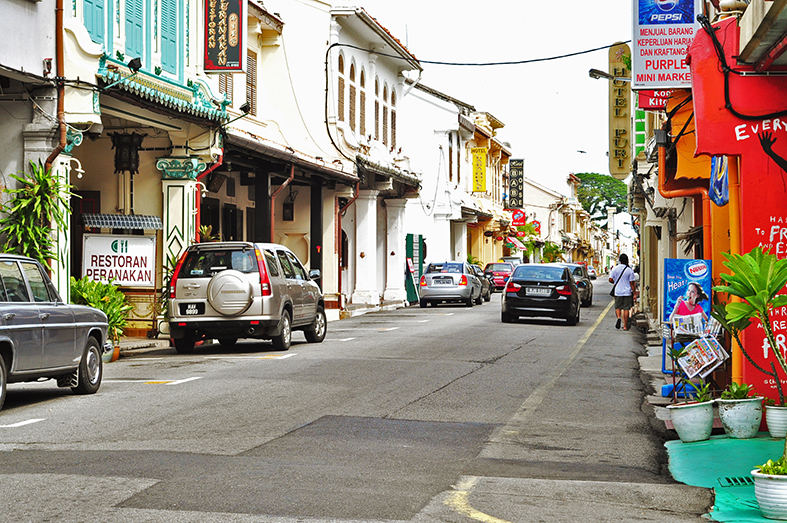
Melaka’s reputation as a gastronomic haven is well earned. The city’s cuisine reflects centuries of cultural exchange, shaped by Malay, Chinese, Peranakan and Portuguese communities whose influences continue to define flavours found nowhere else in Malaysia. Food here is as much sustenance as it is history served on a plate and passed down through generations.
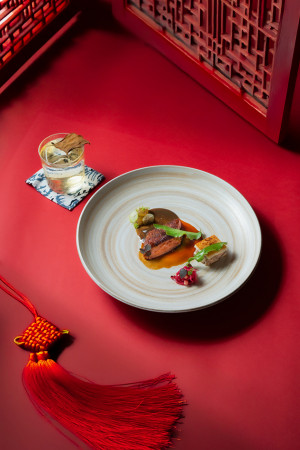
Peranakan, or Nyonya, cuisine is one of Melaka’s most distinctive culinary signatures. Aromatic dishes such as nyonya laksa (noodle soup), sambal udang petai (prawn and stinky beans cooked in chilli), pongteh (braised meat), popiah (fresh spring roll) and not forgetting the colourful Nyonya kuih (desserts). Each of these dishes showcase the use of spices, coconut milk and local herbs, combining Chinese techniques with Malay ingredients. Alongside these are Chinese-influenced favourites like chicken rice balls, compact spheres of fragrant rice served with tender poached chicken, a dish closely associated with the city. Meanwhile, the Portuguese community contributes dishes such as grilled fish, seafood curries and baked treats, particularly in coastal areas and at family-run establishments.
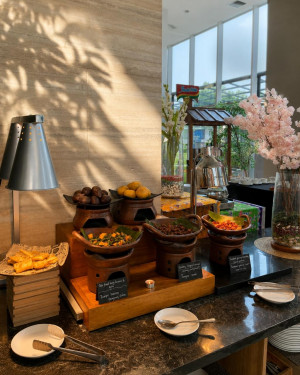
Malay food includes must-try treats such as kuih keria, a mini doughnut-shaped snack glazed with gula Melaka (palm sugar); satay, eaten with kuah kacang (peanut sauce) and nasi impit (steamed rice); wajik or dodol gula Melaka, a rich palm sugar toffee; asam pedas, a tangy and spicy dish typically prepared with fish; and to cool down, a glass of coconut or avocado shake. These dishes and drinks are commonly found at street stalls, local coffee shops and hotel restaurants.
Visitors are reminded to dress for Melaka’s tropical climate, lightweight clothing, a portable fan and an umbrella make exploring and eating outdoors far more comfortable under the sun.
Life by the water and beyond
The Melaka River adds another dimension to city life. A river cruise reveals murals, bridges and historic warehouses from a different vantage point, while riverside walks offer moments of quiet reflection, particularly in the early evening. The river connects the old quarters with newer districts, reinforcing Malacca City’s layered history.
For those inclined to venture beyond Malacca City’s historic core, the surrounding districts offer rewarding detours. A short drive inland leads to Ayer Keroh, where landscaped parks, botanical gardens and nature reserves provide a greener contrast to the old town. Along the coast, the Portuguese Settlement at Ujong Pasir offers insight into the city’s Eurasian roots, best experienced through its seafood restaurants and evening ambience. Further north, Pantai Klebang draws visitors with open beaches and local favourites such as coconut shakes. These nearby escapes add depth, revealing a quieter landscapes and living communities just beyond the city centre.
Where to stay
To fully appreciate Melaka, staying within its historic core is highly recommended. Boutique hotels housed in restored shophouses or heritage buildings offer an experience aligned with the city’s character. These properties offer modern comfort set in traditional design, featuring inner courtyards and antique details.
For accommodation, Melaka offers a thoughtful mix of boutique hotels and distinctive residences that reflect the city’s character. Liu Men Melaka and Baba House Melaka stand out for their heritage-inspired design and contemporary comfort, both well located within the historic core. 45Lekiu Melaka Guesthouse offers a quieter, more intimate stay for travellers who value understated charm. Rest Collection Red House Melaka places guests right in the heart of the action near Jonker Street. For longer stays or added privacy, The Nest House Melaka provides apartment-style comfort, while Rimba Hang Kasturi Villa offers a serene beachside retreat just beyond the city.